William Montchensy, of Edwardstown - 1230 - 1302
The name Montchensy or Munchensy appears in texts relating to the history of Belchamp Walter.
William Montchensy is a name, or the family of Montchensy, that was menioned in Thomas Wright's History of Essex in relation to Belchamp Walter.
There is (was) a dispute amongst Medieval historians about whether he was a
"Companion to William the Conqueror".
Never-the-less the family name is mentioned by Thomas Wright as being associated with other families in the Thirteen Century and the History of Belchamp Walter. There are various dates given to William Montchensy and they range from before Conquest (1040-1066) to 1230.
A marriage to Beatrice (Beauchamp) de Munchensy (1243 - 1285) also can be found on Wikitree.
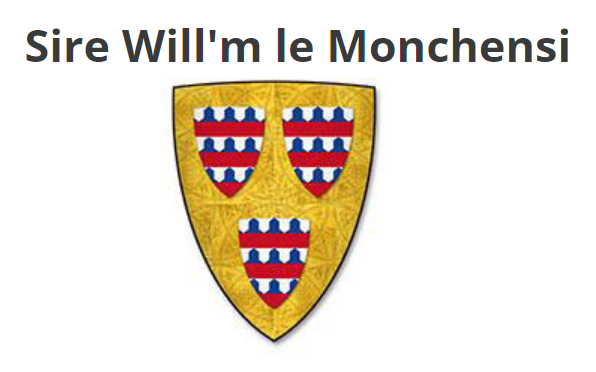
Thomas Wright said:
There seem to be many different spellings here. See the pages for de Vere, de Manderville and de Beauchamp, plus others.
The name of William de Montecanyso of Edwardstone comes up in many of the references that I have found. This could possibly be the corrct name as the Montchensey leads to a "companion of William the Conqueror. Like so many descriptions of the same sort this only seems to feed the obsession with being associated with William.
Beatrix de Beauchamp
Beatrix de Beauchamp was the daugther of William de Beauchamp.
The connection to Belchamp Walter with Montchensy and Botetort is that Beatrice (Beatrix) de Beauchamp was first married to Thomas fitz Otho and their daughter Matilda (Maud) married John de Botetourt. Beatrix married William Montchensy after Thomas fitz Otho's death (about 1280).
William Montchensy would have had some influence on the manor at Belchamp Walter as Maud, his step daughter was, only 21 when she married John de Botetourt in 1302.
William was Maud de Botetourt's step father. William married Beatrix fitz Otho and Maud was their daughter.
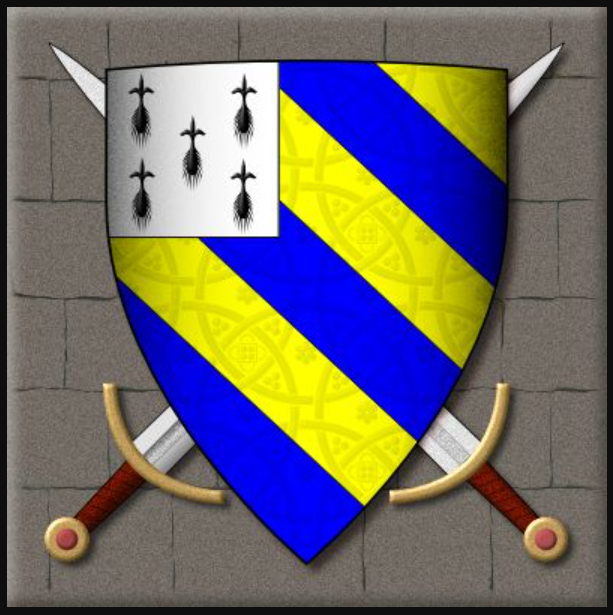
The fitz Otho coat of arms
Both the de Beauchamp and fitz Otho coats of arms feature on the chantry arch of the chapel in Belchamp Walter. William Montchensy "held" a number of estates around 1300, Belchamp Walter could have been one. This does not mean that he lived here and the presence of the de Beauchamp arms also just means that there was a family connection. The Nave of St.Mary's also had noit been built at this time.
The fact that there is no Montchensy arms featuring on the chapel further adds to the notion that the chapel was built after the death of the first Lord Botetourt. His son, Thomas de Botetourt, is more likely to have had the Nave of the church erected and the chapel is in memory of his son, the 2nd Lord Botetourt.
From myheritage.com:
Edwardstone, Suffolk
Apart from the Church of St. Mary the Virgin there is not much evidence of Edwardstone's History. There must have been a manor house but apart from a gate house, which was probably from a later period, there are a few listed buildings in the Boxford, Suffolk region. (see Wikipedia)
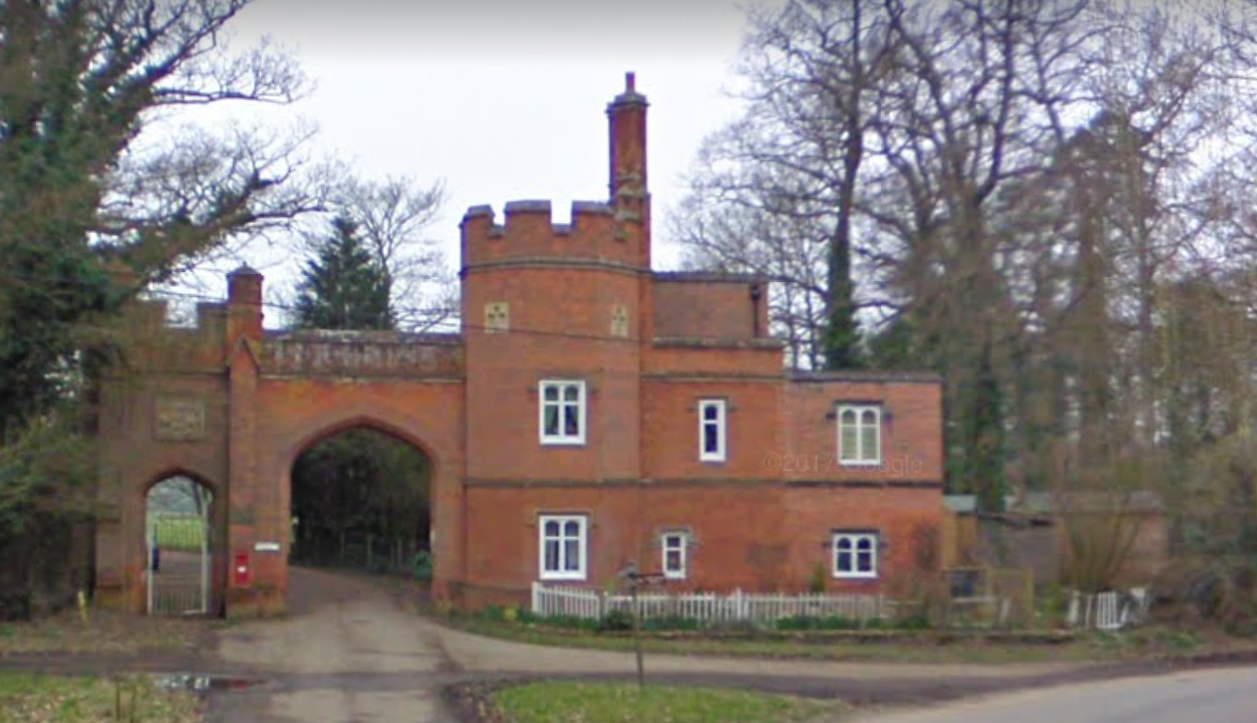
The author viewed with a possible intention to purchase, Seasons, Round Maple. (see Wikipedia for reference)
Companion to William the Conqueror
The reference from Thomas Wright's account of the history of Essex has had some of the links to other names that I have pages.
buist-keatch.org
Writ, 15 May, 30 Edw. I. SUFFOLK. Inq. 26 Aug. 30 Edw. I. Edwardeston. He formerly held the manor of the king in chief, as of the honour of Eye then in the king's hand, by service of 12 knights' fees, which fees are assigned to the countess of Cornwall in dower, rendering also 20s. for the guard of the castle of Eye; but he demised that manor long before his death to John le Boursier for life, rendering 40l. yearly to him and his heirs. ESSEX. Inq. made at Belchamp, 27 May, 30 Edw. I. Belchamp Willam. The manor (extent given), including a custom called 'cu held, by the courtesy of England as abovesaid, of the earl of Oxford by service of 1/3 knight's fee. Heir as above.