Sir John Brownlow - the politician
The "clickable link" page was accessed as it looked like the visitor was actually looking for a link - possibly the History of Parliament page - as this seemed to be the most interest.
The link to George Washington Brownlow is not easy to find "cold" - it is linked from the church page but it needs a more visible link. (it is in the expandable drop-down)
Sir John Brownlow - the politician
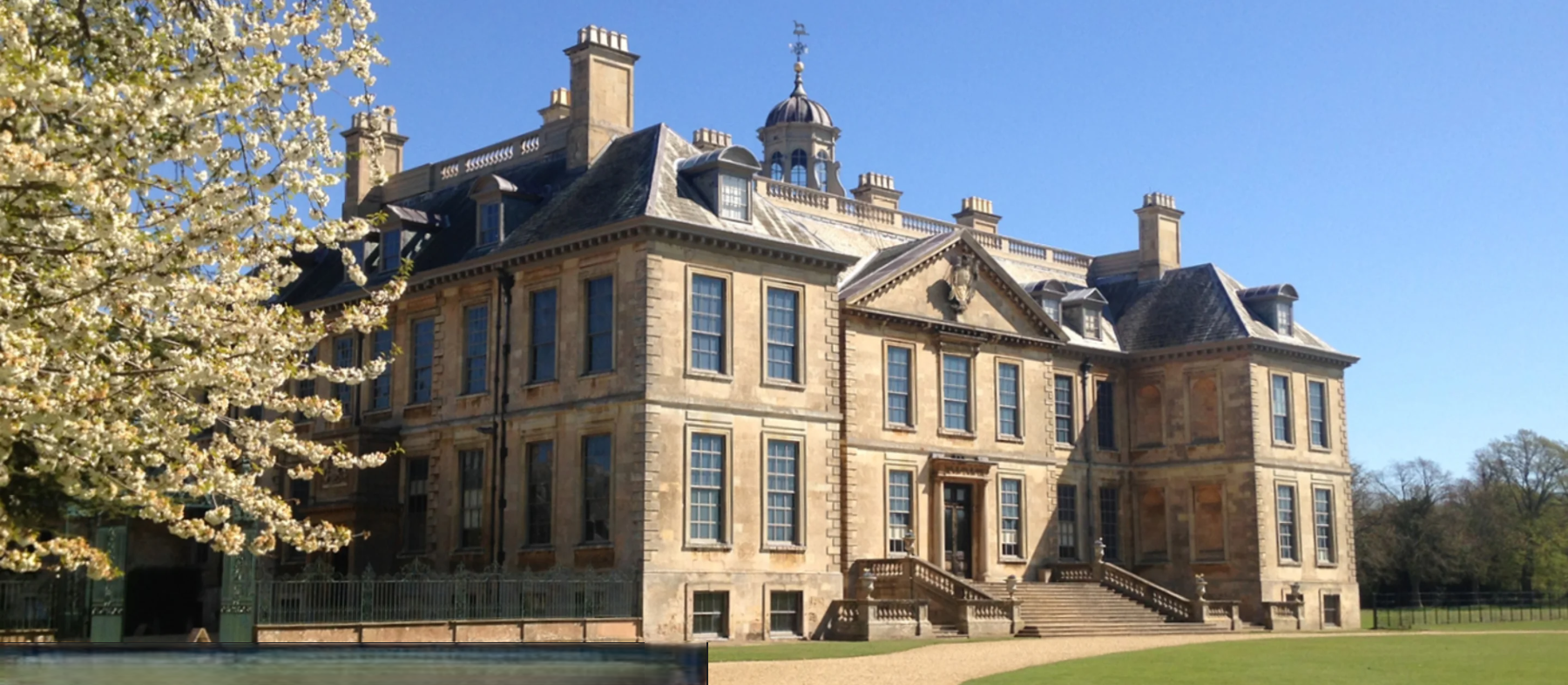
A visit to Belton House on the way back from Lincoln brought the Brownlow family to my attention.
Belton House is described on the National Trust website and in the house itself as a "Carolean House" that
is an example of that architecture. Carolean architecture is also known as "Restoration style".
The Brownlows were Parliamentarians
The historyofparliamentonline.org website said:
The Brownlows were Parliamentarians during the Civil War and office-holders during the Interregnum but
quickly reconciled themselves to the Restoration regime. Brownlow himself apparently had some Tory
sympathies under Charles II and James II and in the Convention was listed as voting to agree with the
Lords that the throne was not vacant but also as voting for the disabling clause in the corporation bill
of January 1690. The latter vote is usually said to be a mistake for his brother William, a definite Whig,
but on Brownlow’s re-election for Grantham in 1690, he was classed first as ‘doubtful’ and finally as a
Whig in the Marquess of Carmarthen’s (Sir Thomas Osborne†) list of the new Parliament. On 26 Apr.
1690 he was given leave of absence for 21 days. In April 1691 he was classed as a Country party supporter
by Robert Harley*. He spoke on 8 Jan. 1692 against the bill for lessening the interest on money,
and received leave of absence six days later for a month to recover his health.4
Top