Walter of Caen
14 July 2026 - Walter of Caen was new to me. An interesting connection, I am not saying that this is wrong but it is strange that it hadn't come up before.
Walter of Caen can be seen referenced in OpenDomesday as being associated with William Malet. This is feasable but the land holdings (as per the translation) don't seem to fit.
Walter of Caen
It has been suggested that the naming of Belchamp Walter is in part after Walter of Caen. Undoubtedly William of Caen was a Norman that was a contemporary of William the Conqueror and William Malet.
Robert Malet as William's son and was granted lands in Suffolk and also inherited from his father William who built the castle at Eye, Suffolk. William was tenant-in-chief for a vast number of manors in the Eye region. Robert, while mentioned in Domesday, did not inherit all of his father's land and briefly returning to Graville in Normandy before returning to Suffolk
William Malet
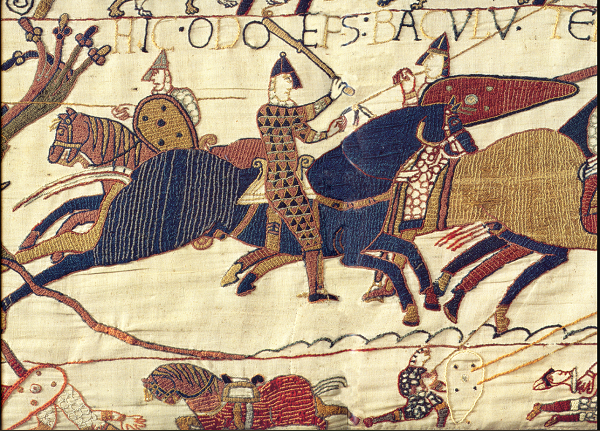
William Malet is listed by William of Poitiers as being a "Companion to William" in his account of the Battle of Hastings.
Walter de Caen was an 11th-century Anglo-Norman knight and landholder who came to England during the Norman Conquest and held significant estates in Norfolk and Suffolk.
Walter de Caen, also known as Walter de Cadomo, Walter fitz Alberic, or Walter de Huntingfield, was born around 1045 in Caen, Normandy, to Alberic de Caen and his wife
FamilySearch
He was a Norman aristocrat who accompanied Robert Malet, a prominent supporter of William the Conqueror, to England during the Norman Conquest
Wikipedia
. Walter became an important tenant of Robert Malet and is recorded in the Domesday Book of 1086 as holding extensive lands, including the manor of Horsford in Norfolk
WikiTree
Walter married Melette Cantilupe and had at least one son, Robert, who became the ancestor of the Chesney family, as well as other sons, Ralph and Roger, who were ancestors of the Huntingfield family
everybodywiki.com
His descendants played a significant role in the establishment of religious institutions in East Anglia. Notably, his son Robert fitz Walter founded the church of St Peter at Sibton, and the family was involved in the foundation of Sibton Abbey, the only Cistercian abbey in East Anglia, around 1150
Wikipedia
Walter de Caen’s influence extended through his landholdings and his family’s contributions to both secular and ecclesiastical life in England. He died sometime after 1086, leaving a legacy through his descendants who continued to hold and manage estates in Norfolk and Suffolk
FamilySearch
His life exemplifies the integration of Norman knights into English society following the conquest, combining military service, land tenure, and patronage of religious institutions.
Top